
pseudostrabismus
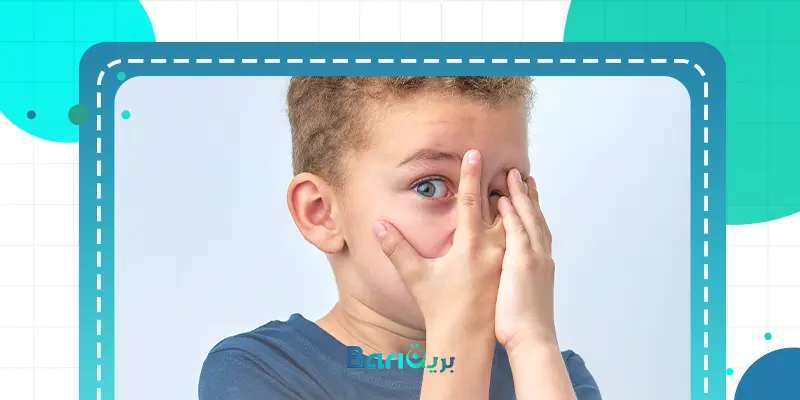
Pseudostrabismus in children refers to a condition where the eyes appear misaligned, even though they are actually perfectly aligned upon examination. This appearance is often linked to the shape of the bridge of the nose and the presence of skin folds at the inner corners of the eyes; it typically becomes less noticeable as the […]
Causes of sudden-onset strabismus in children
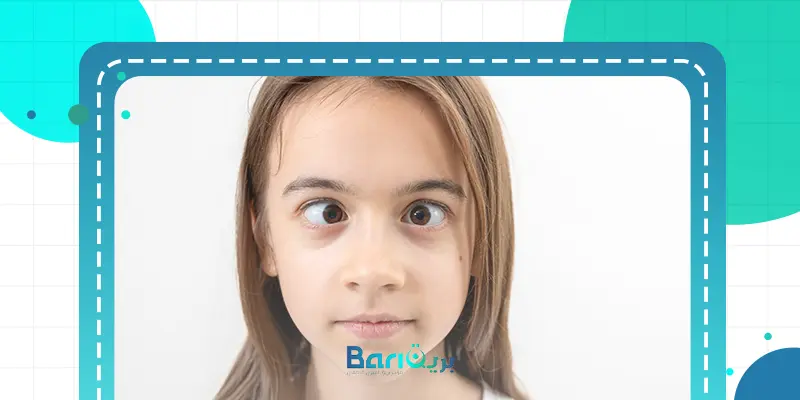
There is no single cause for the sudden onset of strabismus (squint/misalignment) in children. It may be linked to farsightedness (hyperopia), the manifestation of a previously intermittent squint, issues with eye movement or the nerves controlling the eyes, or an injury. The appearance of a new misalignment—after the eyes previously appeared straight—requires medical evaluation; it […]
Glaucoma in newborns
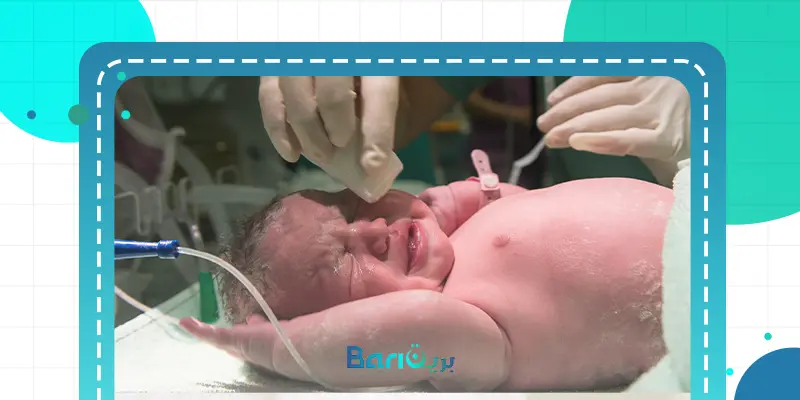
Glaucoma in newborns—also known as congenital glaucoma—is a condition that can threaten vision if its detection and treatment are delayed. Warning signs include persistent tearing, sensitivity to light, cloudiness of the cornea, or an enlarged eye. While these signs alone are not sufficient for a diagnosis, they warrant an examination by a pediatric ophthalmologist to […]
Strabismus (Squint) in Children: Causes, Treatment, and When to Seek an Examination?
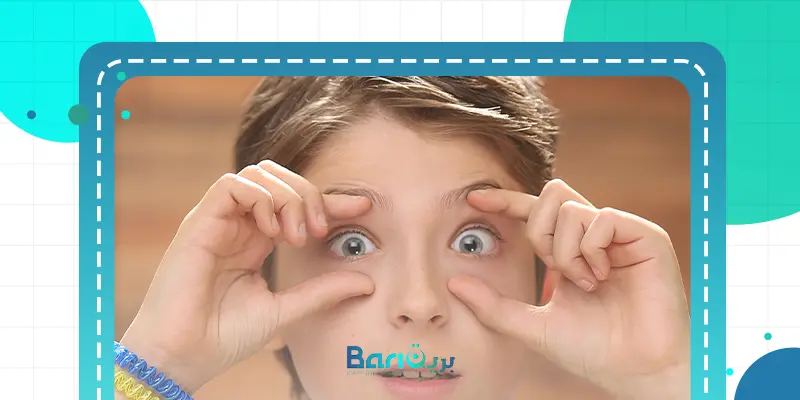
Strabismus (squint) in children refers to a misalignment of the eyes, where they do not point in the same direction. One eye may turn inward, outward, upward, or downward—either constantly or intermittently. Treatment depends on the underlying cause, the type of strabismus, and its impact on vision; it may involve prescription glasses, therapy for “lazy […]
Pediatric ophthalmologist
Choosing a pediatric ophthalmologist begins with verifying their expertise in examining children’s vision and diagnosing conditions such as strabismus (squint) and amblyopia (“lazy eye”). It is also important that the doctor is able to clearly explain the child’s condition and the follow-up plan to the family. At the Bariq Pediatric Eye Center in Cairo, you […]
Treatment for strabismus (squint) of the left eye in children
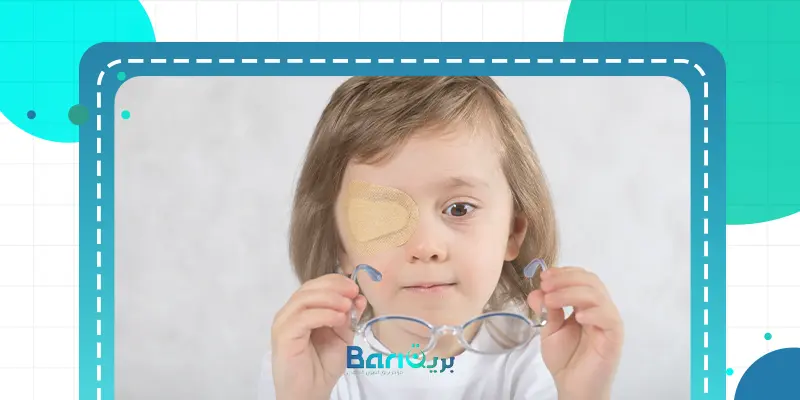
The treatment for strabismus (squint) affecting the left eye in children does not depend solely on the fact that the left eye is the one misaligned; rather, it depends on the type of strabismus, its underlying cause, the degree of deviation, and its impact on vision. Depending on the specific case, a child may require […]
Poor vision in children
Poor vision in children is a significant issue that can affect their visual development if not diagnosed and treated early. Many children experience varying degrees of vision impairment, which often causes parents to worry about their child’s visual progress. Can poor vision in children improve? And is it possible to treat it using herbal remedies? […]
Locations for retinal examinations for premature infants
An eye fundus examination for premature infants is a critical procedure that cannot be delayed, given the high risk of developing retinal issues that could impact future vision. Infants born prematurely require careful monitoring—utilizing specialized equipment and high-level medical expertise—to ensure the early detection of any retinal changes and to allow for timely intervention. Choosing […]
About one eye
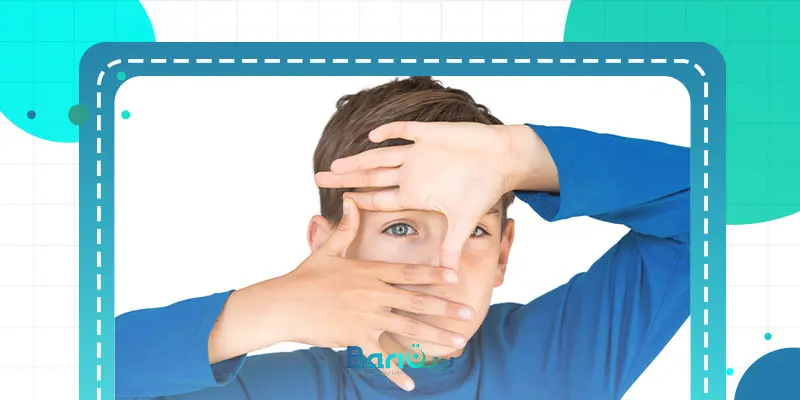
Strabismus (squint) in one eye in children can be a sign of a visual disorder requiring prompt medical intervention. Early detection plays a crucial role in protecting a child’s vision and preventing future complications. Strabismus is a common issue in pediatric ophthalmology; it may affect only one eye due to various factors—ranging from weak eye […]