


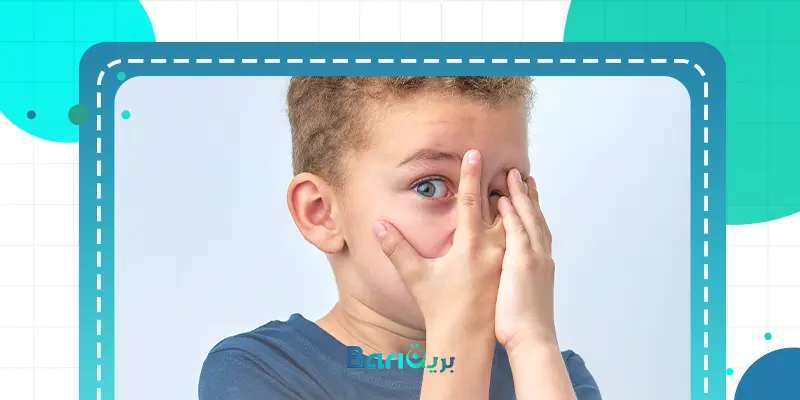
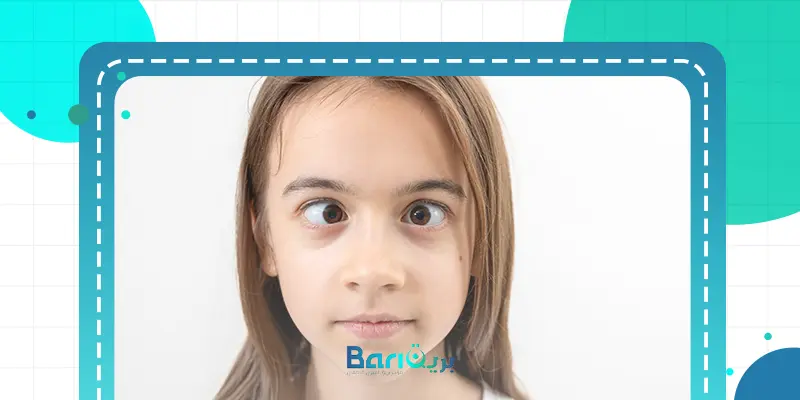
Poor vision in children is a significant issue that can affect their visual development if not diagnosed and treated early. Many children experience varying degrees of vision impairment, which often causes parents to worry about their child’s visual progress. Can poor vision in children improve? And is it possible to treat it using herbal remedies?
In this article, we will explore essential information regarding poor vision in children, including its causes, key symptoms, and the various degrees of impairment—such as 5-diopter or 7-diopter vision issues. We will also discuss available treatment methods and, finally, recommend the best center in Egypt for treating vision problems in children. Just keep reading until the end.
What is vision impairment in children?
Vision impairment in children is a common medical condition that occurs when a child is unable to see objects clearly—whether at a distance (nearsightedness/myopia) or up close (farsightedness/hyperopia). If not addressed early, this can negatively affect a child’s learning, concentration, and the development of their motor and visual skills.
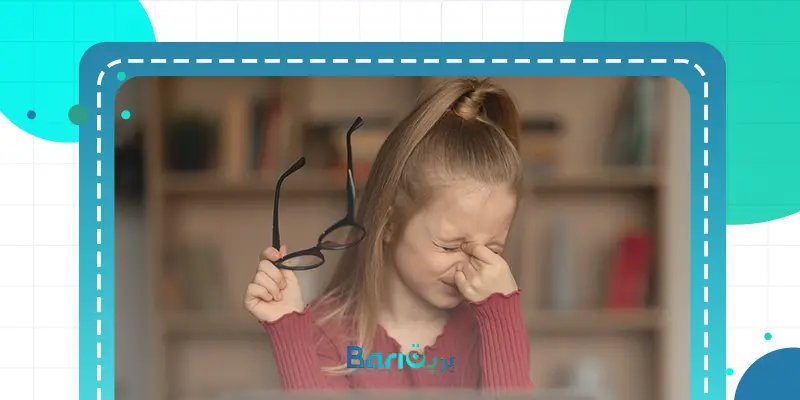
The severity of vision impairment in children can range from mild to complex. Symptoms may include difficulty focusing on the classroom board, holding objects excessively close to see them clearly, or constantly squinting to make out details.
If you notice any signs of vision impairment in your child, do not hesitate to book a consultation with us at Bariq Kids Eye Centers. We provide accurate diagnoses using the latest technology, along with effective treatment plans to ensure your child’s healthy and safe visual development.
What are the causes of vision impairment in children?
Vision impairment in children arises from various factors that affect eye health and vision. Identifying the exact cause helps in determining the appropriate treatment for each child. The most notable causes of vision impairment in children—and factors that increase the risk of developing it—include:
- The presence of refractive errors—such as nearsightedness (myopia), farsightedness (hyperopia), or astigmatism—which are among the most common causes of poor vision.
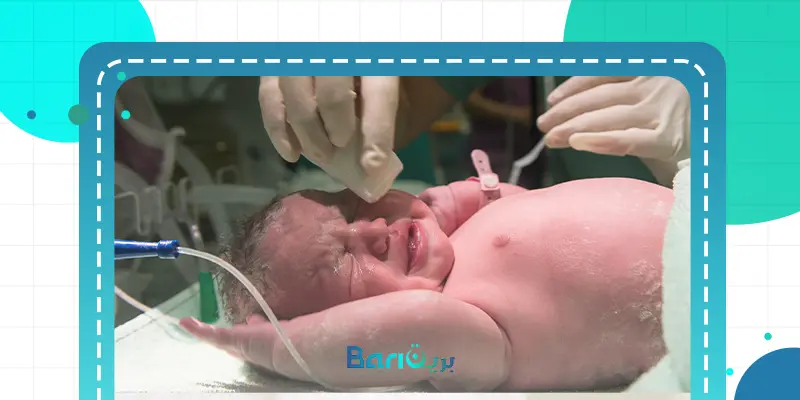
- Oxygen deprivation in a child during birth, which can affect the development of vision.
- Nervous system issues that interfere with the processing of visual signals.
- Eye injuries or infections, such as keratitis or cataracts.
- Problems with the retina that lead to progressive vision impairment.
- Weakness in the eye muscles, which affects focusing and visual coordination.
- Genetic factors linked to eye conditions.
- Excessive use of phones and digital devices for long periods.
- Frequently rubbing the eyes, which causes inflammation and damage to the blood vessels.
- Insufficient intake of water and fluids, which affects eye health.
- A lack of foods rich in vitamins and minerals essential for the eyes, such as vegetables, fruits, and nuts.
- Staying up late and not getting enough sleep; children require about 8 hours of sleep at night to maintain good eye health.
- Blurred or unclear vision.
- A sensation of a haze or fog in front of the eyes.
- Frequent headaches and difficulty seeing clearly.
Identifying these causes early and monitoring the child’s condition with a pediatric ophthalmologist enables you to take appropriate preventive and therapeutic measures, ensuring healthy visual development and preventing the worsening of vision impairment in children.
Learn more about temporary strabismus (squint) in children.
Symptoms of Vision Impairment in Children
Vision impairment in children manifests through a range of symptoms that affect their ability to see normally. Early diagnosis is essential for obtaining the right treatment and preventing the condition from worsening. Key symptoms include: