


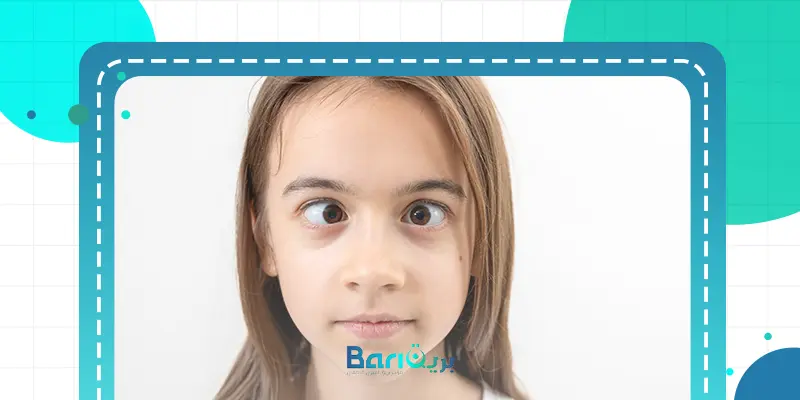
Strabismus (squint) in children refers to a misalignment of the eyes, where they do not point in the same direction. One eye may turn inward, outward, upward, or downward—either constantly or intermittently. Treatment depends on the underlying cause, the type of strabismus, and its impact on vision; it may involve prescription glasses, therapy for “lazy eye” (amblyopia), or surgery on the eye muscles.
If you notice your child’s eye drifting or misaligned, do not rely solely on photographs to determine the cause, and do not wait for it to resolve on its own. This guide explains the signs of strabismus, the difference between true strabismus and “pseudostrabismus” (false squint), when a child should be examined, and what to expect from treatment.
Symptoms of Strabismus in Children: How to Spot the Problem
The most obvious sign is that the eyes look in different directions. The misalignment may be constant, or it may appear only when the child is tired or distracted. Signs that warrant a professional examination include:
- One eye drifting, or the misalignment alternating between the two eyes.
- Consistently tilting the head or turning the face when trying to focus.
- Closing one eye—particularly in sunlight—which can occur with intermittent exotropia (outward-turning eye).
- Older children complaining of double vision or difficulty using both eyes together.
The absence of complaints from the child does not rule out the problem; the brain may adapt to a misaligned eye by simply ignoring the image it produces. Therefore, a professional examination is far more reliable than observing how well a child plays or watches television.
When Does Strabismus Require Urgent Examination?
The sudden onset of strabismus (squint/misalignment), accompanied by headache, vomiting, or imbalance, requires immediate medical evaluation. Similarly, restricted eye movement warrants urgent assessment; such cases should not be delayed in anticipation of a routine appointment. Doctors also recommend an immediate referral if the new onset of strabismus is accompanied by the absence of a normal “red reflex” during an eye examination.
Furthermore, persistent strabismus at any age, or intermittent misalignment that continues beyond the first few months of life, requires an examination by a pediatric ophthalmologist, even in the absence of other symptoms.
Causes of Strabismus in Children
Strabismus is not solely caused by “weak eye muscles.” The issue may be related to the neurological control of eye movements, refractive errors (vision problems), or reduced vision in one eye. Potential causes and contributing factors include:
- Farsightedness (Hyperopia): Increased effort to focus can cause the eyes to turn inward—a condition known as accommodative strabismus.
- Family History: Having relatives with strabismus may increase the likelihood of it occurring.
- Reduced Vision in One Eye: This can impair the eyes’ ability to work together.
- Certain Neurological or Developmental Disorders: A physician will determine the need for further evaluation based on the clinical examination and associated symptoms.
- Eye or Head Injuries: These can affect the muscles or nerves responsible for eye movement.
Strabismus can also appear in children who have no underlying systemic health conditions. It is the identification of the root cause—rather than the appearance of the misalignment alone—that guides the treatment approach. Read also about vision impairment in children.
Types of Strabismus (Squint) in Children
Doctors classify strabismus based on the direction of the misalignment, when it occurs, and whether it is constant or intermittent. While these descriptions help in understanding the condition, they do not replace a formal medical diagnosis:
- Esotropia (Inward-turning strabismus): The eye turns toward the nose. Types include infantile esotropia and accommodative esotropia, which is associated with farsightedness (hyperopia).
- Exotropia (Outward-turning strabismus): The eye turns outward; this may appear intermittently, especially when the child is tired or distracted.
- Vertical strabismus: One eye is positioned higher or lower than the other.
- Constant vs. Intermittent strabismus: Constant strabismus is always present, whereas intermittent strabismus occurs only at certain times. The fact that it is intermittent does not mean the condition does not require treatment.
In cases of intermittent exotropia, the doctor evaluates how often the misalignment occurs, the child’s ability to control it, and their vision in each eye. Some cases may only require monitoring, while others may need active treatment.
What is the difference between pseudostrabismus (false squint) and true strabismus?
In pseudostrabismus, the eyes appear misaligned even though they are actually properly aligned; This can occur due to a wide bridge of the nose or skin folds near the inner corners of the eyes. This appearance may diminish as the face grows, and “pseudostrabismus” (false squint) itself does not require surgery to adjust the eye muscles.
In cases of **true strabismus**, the alignment of the eyes is genuinely abnormal. A doctor uses light-reflection tests and cover tests to distinguish between the two conditions. A diagnosis cannot be definitively made from a smartphone photo; furthermore, a child previously diagnosed with pseudostrabismus may later develop true strabismus. Therefore, please adhere to the recommended follow-up schedule.
When does strabismus in infants resolve?
Transient, intermittent misalignment may be observed during the first few months; however, **persistent strabismus requires evaluation at any age**. If intermittent strabismus persists beyond the age of 3 months, seek medical advice—do not wait until the age of 6 months, assuming it is a “safe” milestone for all children.
Not every instance of what appears to be strabismus in an infant is temporary or “false.” A physician will determine whether simple monitoring is sufficient or if treatment is necessary, based on an assessment of eye alignment, vision testing, and a comprehensive eye examination.
How is strabismus diagnosed in children?
Start by noting when the misalignment occurs—for instance, whether it happens when the child is tired, or when they are looking at objects nearby or in the distance. Bring along any glasses the child wears, as well as any previous medical reports. A clear photograph or video can help illustrate intermittent misalignment to the doctor, but these cannot replace a formal clinical examination. The assessment typically includes testing the vision of each eye in a manner appropriate for the child’s age, evaluating eye alignment and movement, and measuring refractive errors. Eye drops may be used to accurately assess farsightedness and examine the interior of the eye. Additional tests are requested only if the medical history or examination findings indicate a need for them.