


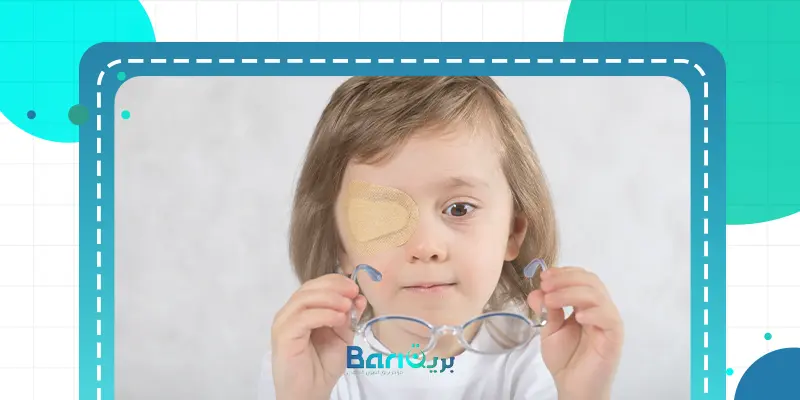
The treatment for strabismus (squint) affecting the left eye in children does not depend solely on the fact that the left eye is the one misaligned; rather, it depends on the type of strabismus, its underlying cause, the degree of deviation, and its impact on vision. Depending on the specific case, a child may require prescription glasses, treatment for “lazy eye” (amblyopia) using an eye patch or medicated drops, regular monitoring, or surgery on the eye muscles.
Crucially, each eye must be examined individually. The goal is not merely to improve the appearance of the eye, but to safeguard the development of vision, binocular vision (the ability of both eyes to work together), and depth perception during the child’s formative years.
What does it mean when a child has strabismus in the left eye?
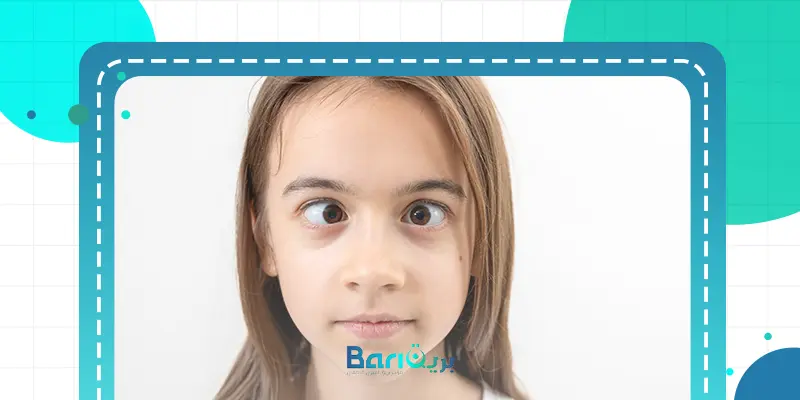
Strabismus refers to a misalignment where the eyes do not point in the same direction. When the left eye is the one that is misaligned, it may turn inward (toward the nose), outward, upward, or downward, while the right eye remains straight. This deviation can be constant or intermittent, and in some cases, it may alternate between the two eyes.
The presence of strabismus in the left eye does not necessarily mean that its muscles are “weak.” The cause could be a refractive error—such as farsightedness—a disruption in the coordination between the brain, nerves, and eye muscles, poor vision in one of the eyes, or other factors that a professional examination will identify.
Does the treatment for the left eye differ from that of the right eye?
In most cases, the principles of treatment do not differ based solely on which eye is affected. A physician determines the treatment plan based on the type of strabismus, the angle of the deviation, the child’s age, the visual acuity in each eye, and the presence of any “lazy eye” (amblyopia). Although the left eye may appear to be the one that is misaligned, the examination always includes both eyes, as they function together as a single visual unit. If surgery is required, the doctor may adjust the muscles of the left eye, the right eye, or both, based on specific measurements; the procedure is not necessarily limited to the eye that appears misaligned.
Causes of Strabismus (Squint) in One Eye in Children
- Uncorrected farsightedness (hyperopia) or other refractive errors.
- A difference in visual acuity between the two eyes.
- Amblyopia (“lazy eye”), where the brain relies less on the image coming from the weaker eye.
- A family history of strabismus or amblyopia.
- Congenital strabismus or a disorder in the neuromuscular control of eye movements.
- Conditions that impair vision in one eye, such as a cloudy lens (cataract) or a drooping eyelid (ptosis).
- Certain neurological or genetic conditions, or injuries to the head or eyes.
The sudden onset of strabismus in a child whose eyes were previously aligned—especially if accompanied by double vision, headaches, vomiting, or restricted eye movement—requires prompt evaluation to determine the underlying cause.