


An eye fundus examination for premature infants is a critical procedure that cannot be delayed, given the high risk of developing retinal issues that could impact future vision. Infants born prematurely require careful monitoring—utilizing specialized equipment and high-level medical expertise—to ensure the early detection of any retinal changes and to allow for timely intervention. Choosing the right facility for these examinations ensures an accurate diagnosis, consistent follow-up, and the protection of the child’s vision during the earliest stages of life.
In this article, we explore the best facilities for eye fundus examinations for premature infants in Egypt. We also highlight why the Bareeq Center stands out as an excellent choice for the eye care of premature infants, detail the available services, and discuss the costs involved. Read on to the end to make the best, safest, and most professional decision for your child’s eye care.
Facilities for Eye Fundus Examinations for Premature Infants
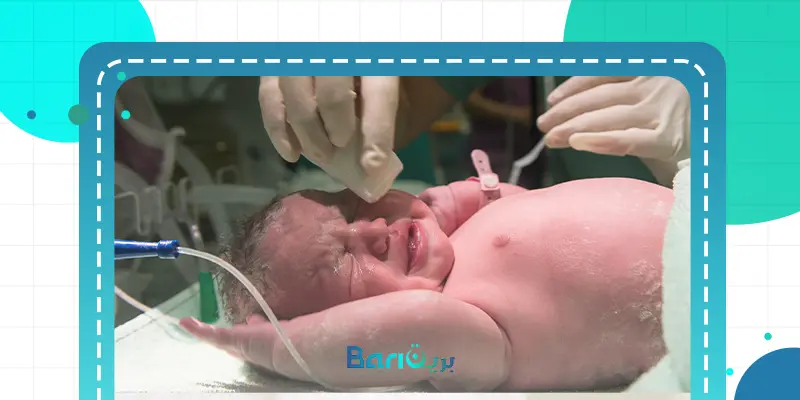
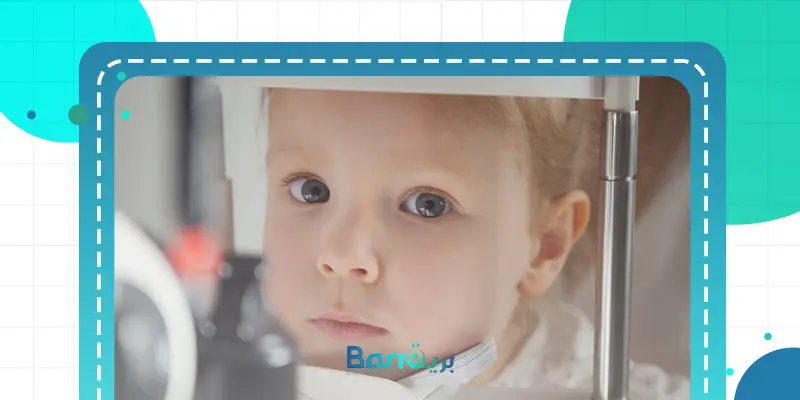
Premature infants require eye fundus examinations at specialized medical facilities equipped with precise instruments designed for assessing the retinas of newborns. These examinations must be conducted by ophthalmologists who specialize in pediatric eye care. This examination aims to detect, at an early stage, any retinal changes resulting from incomplete eye development—changes that could impair vision if not addressed in a timely manner.
It is essential to perform a retinal examination on the 28th day of life, or as otherwise directed by a pediatric ophthalmologist. This timeframe is the optimal window for identifying retinopathy of prematurity (ROP) before it progresses. Adhering to the scheduled appointment is crucial for protecting the child’s vision and preventing complications that could lead to permanent visual impairment.
Choosing the right facility for these examinations is just as important as the timing itself. A suitable center should offer consistent follow-up care and a clear treatment plan should any issues be detected, all while prioritizing the child’s safety and comfort during the procedure. A well-trained medical team and modern equipment ensure diagnostic accuracy and provide peace of mind to the family throughout the follow-up process.
At Bareeq Pediatric Eye Center—recognized as a premier facility for retinal examinations for premature infants in Egypt—we conduct these screenings in accordance with the latest medical protocols, carried out by a team of specialists in pediatric and neonatal ophthalmology. Book an appointment for your child today and ensure their eye health through a thorough examination, continuous follow-up, and a safe environment designed for the comfort of both the child and the family—from the very first visit.
Criteria for Choosing the Best Facilities for Retinal Examinations in Premature Infants
Selecting the right facility for retinal examinations in premature infants requires ensuring the availability of specialized expertise and modern equipment to guarantee both the accuracy of the exam and the comfort of the child. Key criteria to consider when making your decision include:
- A medical team specialized in pediatric ophthalmology and the care of premature infants.
- Access to modern, precise equipment for examining the retina and detecting any issues early.
- A safe and comfortable environment for children, designed to minimize stress and fear during the examination.
- Careful follow-up after the examination to ensure timely intervention, should it be required.
aria-level=”1″>Easy access to the facility and convenient appointment times.
At Bariq Kids Eye Centers, we strictly adhere to all these standards, utilizing state-of-the-art equipment and a specialized medical team to ensure a safe and reliable examination experience for every premature infant.
Learn more about retinal examinations for premature infants.
When should a retinal examination be performed for premature infants?
Retinal examinations are recommended for premature infants in certain cases, given their higher risk of developing retinal issues. Key reasons necessitating such an examination include:
- Premature birth (before 32 weeks of gestation).
- Low birth weight (less than 2 kilograms).
- A prolonged stay in the neonatal intensive care unit (NICU) after birth.
- Exposure to oxygen deprivation or the use of mechanical ventilators.
- The presence of health complications associated with premature birth.