


Choosing a pediatric ophthalmologist begins with verifying their expertise in examining children’s vision and diagnosing conditions such as strabismus (squint) and amblyopia (“lazy eye”). It is also important that the doctor is able to clearly explain the child’s condition and the follow-up plan to the family. At the Bariq Pediatric Eye Center in Cairo, you can book an examination to assess your child’s vision and discuss the appropriate treatment based on their age and the findings of the assessment.
Children may not be able to describe what they see or realize that their vision is poor; therefore, do not wait for a clear complaint if you notice an eye misalignment or signs of difficulty seeing. Here, we explain when your child might need to see an ophthalmologist, what the examination process entails, and how to choose the right doctor and prepare for your visit.
**To book an appointment or inquire about the doctor and consultation fees:** Call 01288880698 or visit our appointment booking page.
How do you choose the best pediatric ophthalmologist for your child’s needs?
The right doctor is one whose expertise aligns with the specific issue your child needs to have evaluated. Conditions like strabismus, for instance, are different from retinal issues or problems involving the tear ducts; some cases may even require the involvement of multiple subspecialties. Before booking an appointment, ask about:
- Specialization and Experience: Does the doctor have experience with your child’s age group and the specific condition you are concerned about?
- Examination Methods: Are the tests used appropriate for infants or children who do not yet know the alphabet?
- Explanation of Results: Does the doctor clearly explain the diagnosis, the purpose of each treatment, and the available alternatives?
- Follow-up Plan: When should the next vision assessment take place, and what warning signs should prompt an earlier visit?
- Visit Details: What is the cost of the consultation, and are there any additional tests or separate charges?
While the experiences of other families can be helpful in evaluating a clinic’s organization and communication, they are not sufficient on their own to determine whether a doctor is the right fit for your child’s specific needs, nor do they guarantee any particular treatment outcome.
Pediatric Ophthalmology and Strabismus Specialists at Bariq Center
The medical team page at Bariq Center features specialists in pediatric ophthalmology and strabismus, as well as experts in retinal conditions, eyelid and lacrimal system disorders, and visual rehabilitation. The team includes:
- Dr. Mostafa Azab: Consultant in Pediatric Ophthalmology and Strabismus Surgery.
- Dr. Mohamed Abdel Karim: Consultant in Ophthalmology, Pediatric Ophthalmology, and Strabismus.
- Dr. Abdulaziz Habib: Consultant in Eyelid and Lacrimal System Surgery, and Orbital Tumors (for both children and adults).
- Dr. Ahmed Mansour: Consultant in Pediatric Retina and Vitreous Disorders.
When getting in touch, please mention the child’s age and the reason for the visit so we can confirm the appropriate specialist and their availability. A doctor’s name appearing on the team list does not guarantee they are present every day; please ensure you confirm your appointment with the center.
When does your child need a pediatric ophthalmologist?
Schedule an eye exam if you notice recurring signs that may indicate a vision problem, such as:
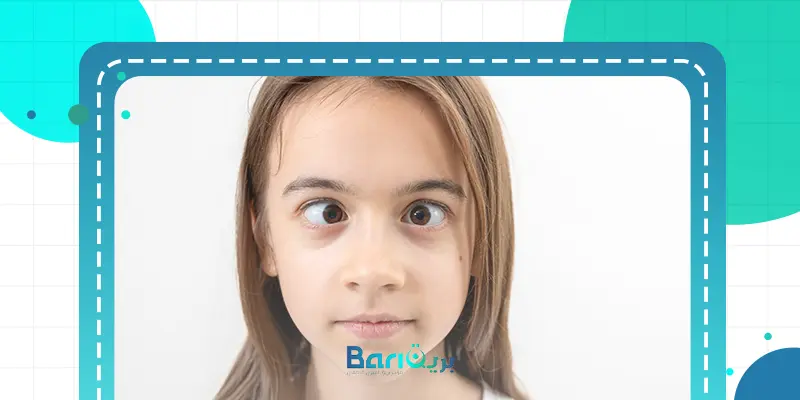
- The eye turning inward or outward, or closing one eye when focusing.
- Holding books very close to the face, or difficulty seeing the classroom board.
- Consistently tilting the head or complaining of eye strain while reading.
- An infant’s difficulty in tracking objects with their eyes, especially after the age of 3 months.
- Persistent tearing, eye discharge, or recurring redness that does not improve.
- An abnormal result from a vision screening at school or during a check-up with a pediatrician.
These signs alone do not constitute a diagnosis. Furthermore, the fact that a child can play or use a phone effectively does not rule out vision impairment in one of their eyes. Read also about vision impairment in children.
Signs Requiring Urgent Evaluation
Do not wait for a routine check-up if you notice a white appearance or reflection within the pupil, sudden vision loss, severe eye pain, or a significant eye injury. Furthermore, the sudden onset of a squint (strabismus)—especially when accompanied by headaches, vomiting, or a lack of balance—requires immediate medical evaluation. Do not use medicated eye drops on your own to delay a professional examination.
When Should Eye Screenings for Infants and Children Begin?
Eye monitoring begins as part of a child’s routine health check-ups from birth; a child does not need to be able to speak for their vision to be assessed. A pediatrician or ophthalmologist will determine the need for a specialized examination based on the results of initial screenings, family medical history, and any observed symptoms.
- During infancy: The eye’s response to light, the child’s ability to fixate on objects, and their capacity to track moving objects are monitored. A referral is made if any abnormal signs are observed.
- Between the ages of 3 and 5: Visual acuity can be assessed using age-appropriate images or symbols to detect vision impairment and risk factors for “lazy eye” (amblyopia).
- After starting school: Vision screenings continue based on the child’s individual needs; follow-ups may be more frequent if the child wears glasses or is undergoing treatment.
Premature infants who meet the criteria for retinal screening require a specialized schedule—determined by the medical team based on gestational age, birth weight, and overall health status. Screening should never be delayed until symptoms appear. Learn more about our screening service for premature infants.
How is a vision examination conducted by a pediatric ophthalmologist?
The examination begins by asking the family about any symptoms and when they first appeared, whether the child was born prematurely, any past medical conditions or medications, and the family history of eye problems. The doctor then selects the appropriate tests based on the child’s age and ability to cooperate.
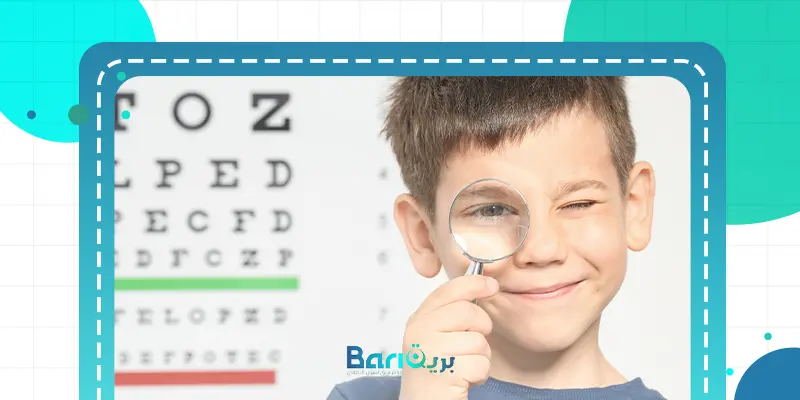
- Assessing vision in each eye: This involves observing the child’s ability to fixate on and track objects (for infants) or using images, symbols, and letters (for older children).