


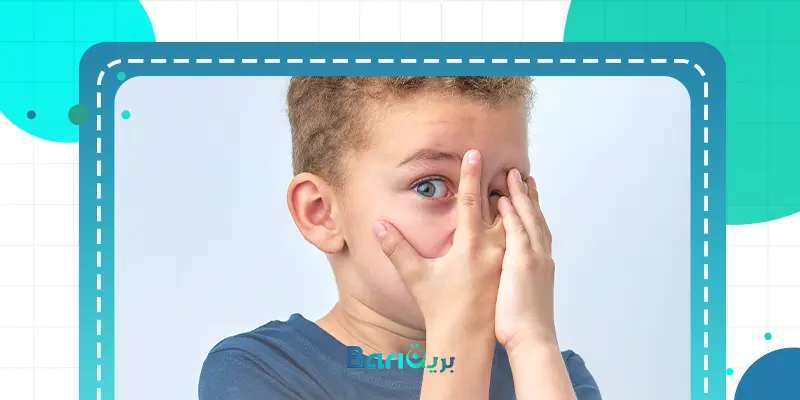
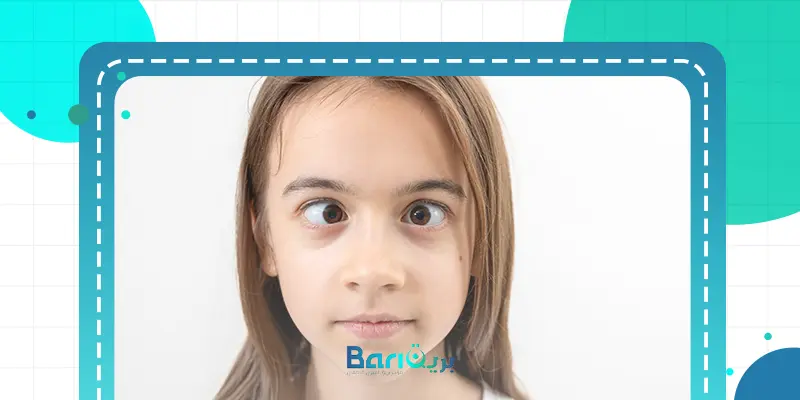
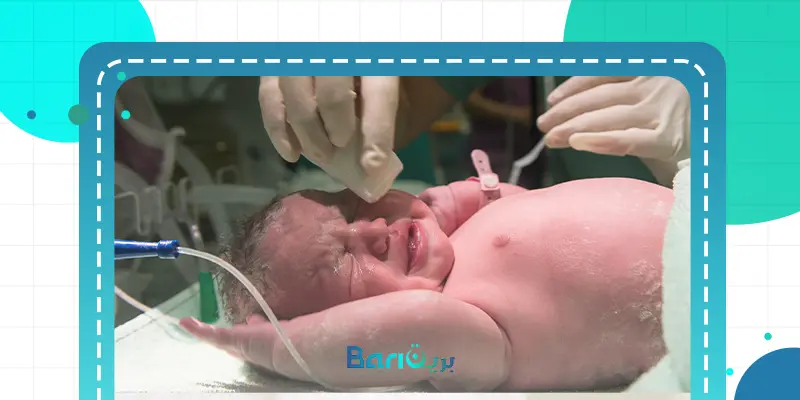
Strabismus (squint) in one eye in children can be a sign of a visual disorder requiring prompt medical intervention. Early detection plays a crucial role in protecting a child’s vision and preventing future complications. Strabismus is a common issue in pediatric ophthalmology; it may affect only one eye due to various factors—ranging from weak eye muscles and refractive errors to certain neurological conditions—making early diagnosis and follow-up with a specialist essential.
In this article, we will explore key information regarding unilateral strabismus in children—covering potential causes, the possibility of the condition shifting to the other eye, and the latest available treatment methods. Finally, we will recommend a leading specialized center in Egypt for the treatment of unilateral strabismus in children, ensuring the best possible visual outcomes for your child. Please continue reading until the end.
Unilateral Strabismus in Children
Unilateral strabismus in children is a common visual condition that occurs when one eye deviates from its normal position—either constantly or intermittently. This leads to a lack of coordination between the movements of the two eyes, affecting the child’s ability to focus and maintain clear vision.
This condition may result from an imbalance in the eye muscles or refractive errors—such as farsightedness, nearsightedness, or astigmatism. If left untreated, it can lead to complications like “lazy eye” (amblyopia), where the brain begins to ignore the image coming from the misaligned eye, causing a gradual decline in visual acuity.
If you have noticed that one of your child’s eyes is misaligned and are seeking specialized, safe care, we invite you to contact us at Bariq Kids Eye Centers. We offer comprehensive services, including precise diagnosis and personalized treatment plans using the latest technology, along with ongoing follow-up to ensure the best possible outcomes and the long-term protection of your child’s vision.
What causes one-eyed misalignment (strabismus) in children?
Misalignment of one eye in children can arise from various factors that affect the balance of the eye muscles or the child’s ability to see properly. Early diagnosis is essential to prevent complications such as “lazy eye” (amblyopia). Key causes include:
- Refractive errors in one of the eyes (farsightedness, nearsightedness, or astigmatism).
- Weakness or tightness in the muscles of one of the eyes.
- Injuries or structural abnormalities of the eye.
- Weakness in the nerves that control the eye.
- Genetic factors.
- Premature birth.
- Other medical conditions, such as retinal disorders or Down syndrome.
Therefore, it is essential to consult a pediatric ophthalmologist if you notice any signs of strabismus (squint) in one eye. This ensures an accurate diagnosis and the development of an appropriate treatment plan, which helps prevent complications and preserves your child’s vision.
Learn more about eye examinations for premature infants.
Does strabismus in one eye eventually affect the other?
Strabismus in one eye does not necessarily mean that the other eye will be affected later on. However, early diagnosis and treatment remain crucial to ensure a rapid and effective recovery for the child. Delaying treatment can lead to a worsening of the condition and the development of complications—such as “lazy eye” (amblyopia), blurred vision, or difficulty focusing—as well as negative psychological effects on the child, which can impact their daily quality of life and self-confidence. Furthermore, neglecting to treat strabismus (squint) can place excessive strain on the healthy eye as it attempts to compensate for the affected eye. Over time, this may lead to the development of a “reverse” squint in the previously healthy eye. Consequently, early intervention is essential to maintain the health of both eyes and prevent future complications.
Therefore, if you notice a squint in one of your child’s eyes, do not hesitate to book an appointment with us at Bariq Kids Eye Centers. We will accurately assess the condition, identify the underlying cause, and develop an appropriate treatment plan to prevent the condition from worsening and protect both eyes. We also provide ongoing follow-up care to ensure the best possible visual outcomes and support your child’s healthy visual development.
Learn more about the best pediatric ophthalmologist specializing in strabismus in Egypt.